|
Top pick

|
| The latest Gaza war began Oct. 7 when Hamas, a Palestinian militant group, launched a series of coordinated attacks on Israel. Image credit: Jash Y Shah/Shutterstock.com. |
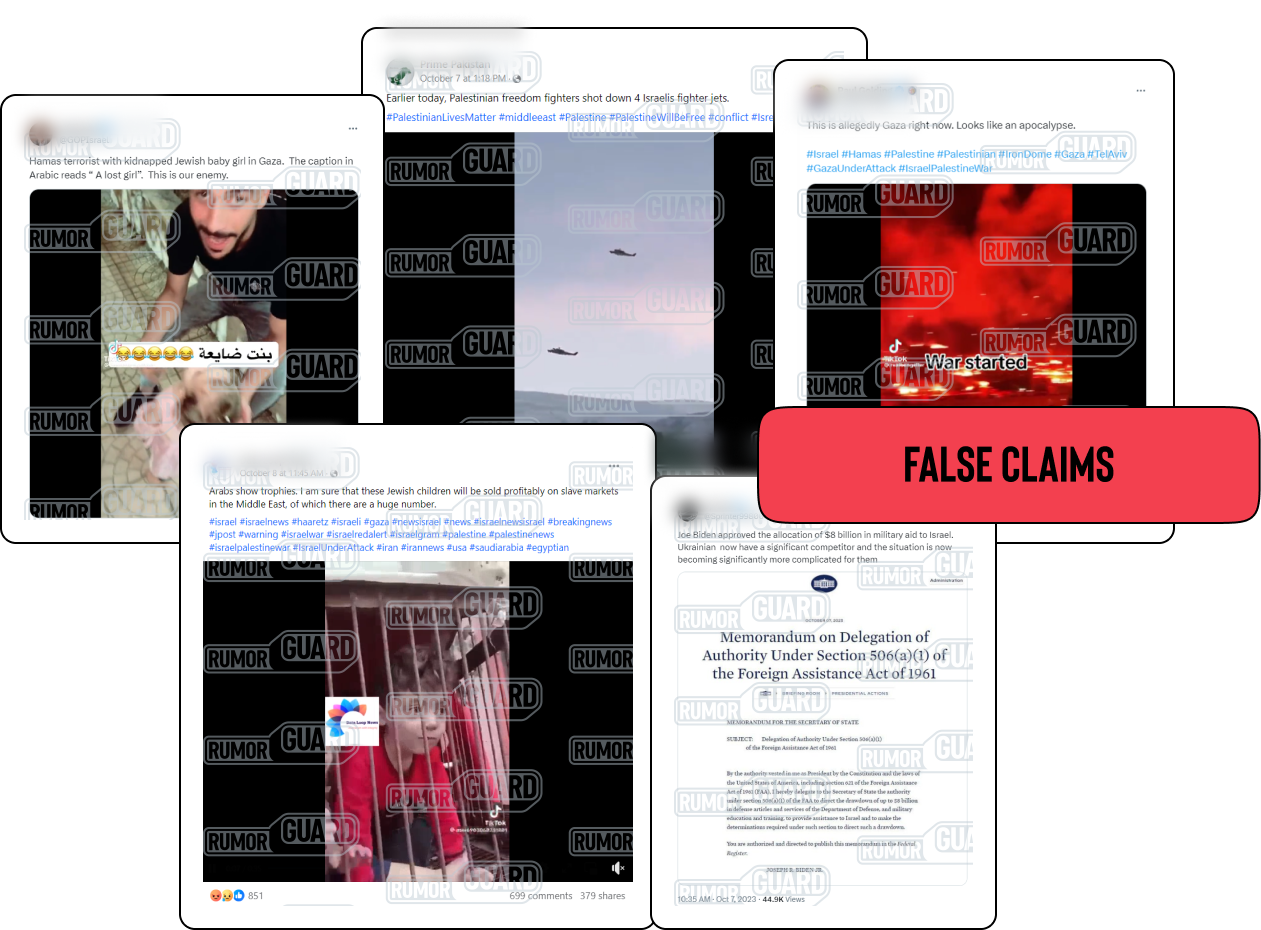
Almost as soon as news broke about the Israel-Hamas war, online platforms were flooded with misinformation and chaos. It can be challenging during major breaking news events to sort through information and determine which sources and claims are credible, especially when viewing political posts or graphic images that evoke strong emotional reactions. With thousands of people dead and complex social, political and religious context surrounding the conflict, it’s easy to get overwhelmed and confused looking for credible news updates in our fast-moving and tangled information landscape.
Here are a few tips to help you and your students separate fact from fiction when it comes to navigating news about the latest Gaza war.
 |
Analyze what kind of information you’re viewing and be cautious about what you share.
Be sure to consider what evidence is being offered for viral claims and to consult multiple credible sources before liking or sharing social media content. Think about who created the information you’re consuming — whether it’s a TikTok video, a meme on Instagram or a news report — and what their purpose may be. Since the conflict began, misleading content — such as video game footage being passed off as Israel-Hamas war videos — have circulated on social media and attracted millions of views.
|
 |
Keep in mind that misinformation often flourishes during breaking news events.
There is a high volume of misinformation online about the Israel-Hamas war, according to media experts. Information can be scarce or change rapidly during major developing stories, and misinformation often rushes in to fill those initial voids. It can be difficult to separate genuine footage and updates from misleading posts shared for engagement, clicks or ill intent by bad actors.
Social media platforms aren’t always efficiently moderating content for mis- and disinformation. X, formerly Twitter, has gone through major changes since owner Elon Musk took over about a year ago, including firing many employees who worked on content moderation. Musk himself recommended two accounts known for spreading disinformation to his followers in the aftermath of the initial Hamas attack in a post that he later deleted.
|
 |
Seek credible news sources.
Although it’s easy to passively rely on a social media algorithm for news updates, it’s worth actively seeking credible news on your own. Social media algorithms may not show much credible news or might create an echo chamber of familiar content that only reinforces your own views.
When searching for credible news sources, remember to look for evidence that the news organization aspires to ethical guidelines and standards, including accuracy, transparency and independence. Taking responsibility for seeking and sharing quality information is important so we don’t add to the confusion online.
 |
Dig Deeper: Use this reading guide to help students think about best practices for navigating breaking news information in the latest Israel-Hamas war (meets all NLP standards). |
|
|