Insider Spotlight: Zoe Buccella
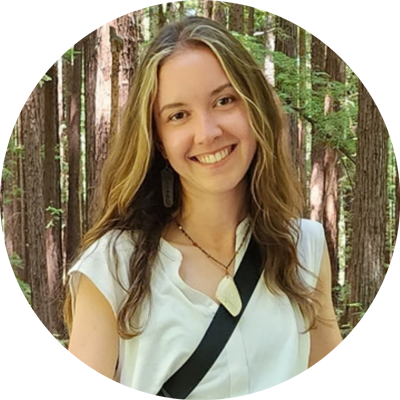
Welcome to the Insider Spotlight, where we feature real questions from our team and answers from educators who are making a difference teaching news literacy. This month, our featured educator is Zoe Buccella, who teaches English to middle school students in Ohio.
Q: Can you share a news literacy activity or lesson that really clicked with your students?
A: Many of my students mentioned how useful the “Introduction to Algorithms” Checkology lesson was in their end-of-quarter reflections. They said that lesson made them feel empowered to navigate social media with more confidence and a critical eye.
Q: What advice would you give another English Language Arts (ELA) teacher who wants to start incorporating more news literacy into their curriculum?
A: Start small! Especially in ELA, even a moment to analyze an image that might be real or fake can offer a standards-based teaching moment. Pictures are a great way to get your students using evidence to support their arguments!
Q: How do you use topics students are already talking about — in school, online or with friends — as an entry point for news literacy lessons?
A: I think it’s important to acknowledge that students are encountering a wide range of online content inside and outside of the classroom. They don’t always have guidance to help them navigate that, so the classroom community can provide safe practice at putting tools into their critical thinking toolbox.
Q: Has AI changed the way you approach teaching news literacy? How so?
A: Yes, AI content has shifted the conversation. There is such an influx of fake content online that it really makes the news literacy conversation that much more important.
Q: What’s one thing you wish every student knew before scrolling TikTok, Instagram or YouTube?
A: Every piece of content was created for a reason. Think critically about what you’re seeing and why!