Your comprehensive guide to using NLP resources. |
|
|
An inside look:
Teaching in polarizing times |
You know better than anyone that discussing current events in today’s classrooms can feel like walking a tightrope. With deepening political divides, it’s common to encounter strong reactions from both students and parents. Yet within these challenges lies an opportunity this back-to-school season: to empower your students with the skills to think independently, engage respectfully and ground their perspectives in facts.
Our infographic “How to Teach News Literacy in Polarizing Times” offers eight practical strategies to help you do just that. It encourages students to treat news reports as texts, just as you would with poetry or primary sources. By guiding students to analyze headlines, captions and word choices with curiosity rather than judgment, you help them uncover how language shapes meaning and how bias can appear subtly in reporting.
When we zoom out, the importance of this work becomes even clearer. We are teaching in a time when facts are often disputed, and partisan divides can overshadow the truth. Encouraging students to consult diverse, credible sources, reflect on their own biases and embrace ambiguity builds their resilience against oversimplified narratives. These strategies also nurture civic humility, reminding students that not every issue has a clear-cut answer. As this infographic emphasizes, news literacy isn’t about telling students what to think. It’s about helping them learn to think critically about the news and information they encounter.
You can integrate this infographic into your classroom by using it to set ground rules for respectful discussion, such as critiquing ideas rather than people or asking clarifying questions without assumptions. Refer to it when planning activities that compare coverage across outlets or analyzing how breaking news alerts frame information. By anchoring your lessons in these strategies, you can create a classroom culture in which difficult topics are explored with rigor, empathy and respect.
|
|
|
⭐ Back to School: Get ready for the best Checkology yet! |
We’re so excited! TOMORROW we’ll officially unveil our Back-to-School landing page, featuring a brand-new toolkit of go-to resources for helping students separate fact from fiction this fall. And at the heart of it all is the best version yet of our Checkology® virtual classroom, a one-stop shop for interactive lessons, instructional supports and classroom activities to help you cover topics such as the credibility of sources and information, spotting viral rumors and understanding the role of a free press in society.
District tech leaders and administrators, we’ve got goodies for you too. This year, Checkology has partnered with Clever, a free, seamless edtech solution that improves data security and gives educators and students secure single-sign-on access. We’ve developed an easy-to-follow guide to help you make districtwide integration more seamless and secure than ever before.
Want to know more? Keep an eye on your inbox tomorrow! |
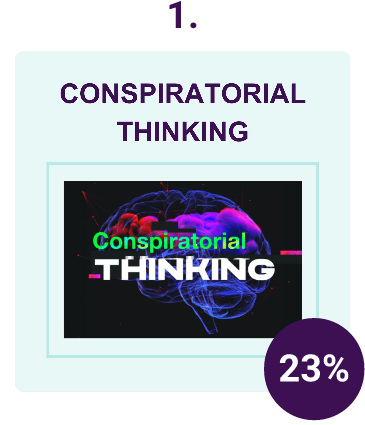
Which of these interactive lessons on Checkology are you most excited to use this year? |
Click to cast your vote. Results update in real time. |
⭐ National News Literacy Conference |
Big news! The News Literacy Project’s inaugural National News Literacy Conference is coming Oct. 8-10, 2026, to Salt Lake City, Utah. Join educators, school leaders and advocates to advance news literacy nationwide. Sign up for updates here! #NewsLitCon |
⭐ Scroll Smarter, starting soon |
NLP is launching a newsletter for families! Scroll Smarter will help families understand and navigate today’s information landscape together. Interested? Subscribe at this link (and share it with friends) to start receiving this monthly newsletter in September. We think it’d also make a great resource to share with your students’ families to keep them in the loop about the news literacy topics your students may be learning – think Back-to-School Night or classroom newsletters.
|
|
|
???? AUG. 19, 5 P.M ET/2 P.M. PT: |
????News Literacy in Action: Getting Students to Think and Write Like Journalists |
Students are exposed to relentless news cycles and have more options than ever for consuming information. By pulling back the curtain on how journalism works, you can give students power over what they consume while equipping them with tools to write their own credible stories. Join us for an engaging edWebinar led by NLP’s Dr. Brittney Smith and build a toolkit that will teach students the process behind standards-based reporting and how to tap into their own narrative nonfiction writing skills.
|
????Preview Checkology: Your News Literacy Hub |
Join us for an engaging 30-minute webinar to learn more about Checkology’s foundational lessons in essential news literacy topics and understand how to get started with the platform. Plus, discover what’s new for the 2025-26 school year! |
|
|
For district admin and school leaders: |
⭐ Join Cohort 5 of the District Fellowship Program |
NLP’s District Fellowship program is designed to improve education and civic engagement for students by involving district leaders in the development and implementation of news and media literacy education. Fellowship Districts receive funding, support and professional development to design and implement a plan toward a districtwide guarantee that all students will receive at least one unit of news and media literacy instruction sometime before they graduate from high school. The application for Cohort 5 will open in October of this year. Interested? Check out newslit.org/district-fellowship for more information.
|
|
|
Click here to answer a question and be entered into a raffle to win NLP swag! |
|
|
© 2024 The News Literacy Project
5335 Wisconsin Ave. NW, Suite 440, Washington, DC 20015
info@newslit.org |
|
| |