


The Sift: TikTok algorithm | Journalism predictions


An educator's guide
to news literacy
Dec. 15, 2025
Hi there,
Starting next week, The Sift will be taking a winter break. We will return to your inbox on Monday, Jan. 12.
- Worried you’ll miss The Sift? Browse past issues in the archive.
- Have something on your wish list? Tell us what you want to see in this form.
Happy holidays, and cheers to the new year! 🎉
— The Sift team
In this issue
TikTok algorithm | Journalism predictions | RumorGuard slides

Daily Do Now slides
Don’t miss this week’s classroom-ready resource.

Top picks
Here are the latest news literacy topics and tips on how to integrate them into your classroom.

TikTok tracks what users view, and shows other videos based on this.
1. TikTok algorithm shapes what you see
Like cat videos? If you watch them on TikTok, you’re more likely to also be shown LGBTQ+ or music content.
- TikTok observes your viewing habits. TikTok tracks how much time users spend viewing a video, which ones they like and which ones they skip quickly.
- TikTok personalizes your feed. A Washington Post analysis of 121,000 TikTok videos from the watch history of 1,100 users shows how TikTok’s algorithm chooses from topical clusters of content that it has learned to associate with your initial interest. For example, a user who likes gaming is more likely to be shown tech or military content.
- Videos you may never see: Topics that aren’t connected to what a user typically likes may never be shown to them (unless they specifically search for it), which is why some people see cat videos in their feed while others don’t.
💡 Idea: Share The Washington Post analysis with students to see maps of TikTok topics and discuss their observations. Ask students to speculate about their core interests and related topics that show up in their feeds, if they are on TikTok, or that might show up, if they were to be on TikTok.
🗒️ Note: A TikTok representative said the Post’s method of analyzing its algorithm was incomplete.
💬 Discuss:
- What makes platforms like TikTok so addicting?
- Are social media algorithms more helpful or more harmful? Why?
- How do algorithms help social media companies increase their profits?
- Do people train their social media algorithms or do their algorithms train them?
💡 Another idea: Use the “Reflect” slide from Week 12 of the Daily Do Now resource to further explore this topic.
⭐ NLP Resources:
- “Introduction to Algorithms” (Checkology® virtual classroom)
- “For Elementary: Search and Suggest Algorithms” (Checkology)
🔗 Related:
- “How TikTok keeps its users scrolling for hours a day” (The Washington Post)
- “How social media algorithms decide who you are” (ABC Australia)
2. Journalists killed worldwide
Press freedoms are under threat globally. In the last year, 67 journalists were killed, according to Reporters Without Borders.
- Deadliest regions: Nearly half of the journalists killed this year were in Gaza. The second deadliest place for journalists in 2025 was Mexico, where nine journalists were killed.
- Journalists detained: There are 503 journalists currently detained around the world. The countries that have detained the most journalists this year are China (121) and Russia (48), two countries with some of the worst press freedom protections in the world.
- Women journalists attacked: More than two-thirds of women journalists, rights defenders and activists have experienced violence online — such as harassment, threats, doxxing and other abuse — and 41% reported real-life assaults or harassment linked to digital abuse, a U.N. survey found.
💬 Discuss:
- What makes press freedoms better in some countries? What factors determine the degree of press freedoms?
- Why are strong press freedoms considered essential for democracy?
⭐ NLP Resources:
- “Press Freedoms Around the World” (Checkology)
- Daily Do Now slides: “Press Freedom Collection”
🔗 Related:
- “International student EIC has to ‘step back’ from news coverage to not risk her visa” (The Nutgraf)
- “When powerful people bully the press, they’re really trying to silence the public” (Poynter)
3. Journalism prediction: More influencers
What’s going to happen in journalism next year? Nieman Lab picked the brains of journalism experts to find out. Here are a few of their predictions:
- More vertical videos from journalists. “People follow people, not ‘the newsroom’ as an abstract idea,” wrote Reuters’ first social media video reporter. Another journalist predicted that journalism education will change to better adapt to the creator economy.
- A possible reckoning around news influencers. A media professor hopes for a “de-influencing” of the news — in other words, resisting overconsumption of information and taking a more deliberate and slower approach to getting news.
- More confusion in finding credible news. Pew Research Center’s managing director of news and information research predicts that next year’s biggest challenge will be discerning fact from fiction amid an information landscape complicated by AI and social media.
- Journalists become more human. To compete with AI and build trust, journalists could build stronger bonds with the communities they cover, writes Spiegel’s AI director.
💬 Discuss:
- How is the work of influencers and journalists similar? How is it different? What standards do each of these groups follow?
- What should responsible news consumers look for in a credible source of news?
⭐ NLP Resource:
- Infographic: “Seven standards of quality journalism”
🔗 Related:
- “Jealousy List 2025: The stories we admired most this year” (Bloomberg News)


These classroom-ready slide decks provide a comprehensive walk-through on how to debunk false rumors.
Real story, fake video: AI-generated clip depicts drunk raccoon

✅ YES: On Nov. 28, 2025, a raccoon broke into a liquor store in Virginia, damaged more than a dozen bottles of alcohol and passed out on the bathroom floor.
✅ YES: Genuine security camera video and photos of the raccoon went viral and attracted international news coverage.
❌ NO: The viral video in the post above is not authentic.
✅ YES: The footage is AI-generated.
⭐ NewsLit takeaway:
The prevalence of AI-generated content can make it more difficult to distinguish between facts and fiction. This is especially true when the fabricated content appears to follow a genuine news incident that went viral. Check out these Google Slides for tips on spotting these deceptive clips.
No, Obama did not announce 2028 presidential campaign

❌ NO: This image of former President Barack Obama holding a sign reading “Do you want me back as president?” is not authentic.
✅ YES: This is a fabricated (and likely AI-generated) image.
✅ YES: The 22nd Amendment of the United States Constitution limits presidents to two terms in office.
⭐ NewsLit takeaway:
Digitally altering the text on a T-shirt or sign in a photograph is a classic tactic to spread misinformation. This process has been made even easier with AI image generators, which can create realistic images with just a few text prompts. Check out these Google Slides for tips to spot these political fabrications.

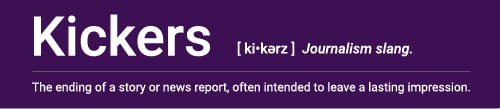
➕ The AI chatbot Grok spread misinformation in the aftermath of the Dec. 14 mass shooting on Bondi Beach in Australia, misidentifying the man who disarmed one of the shooters and questioning authentic video.
➕ Viral AI-generated video showing leopards roaming around a suburban backyard may seem harmless, but scientists say these kinds of synthetic videos can distort people’s understanding of the natural world and hinder conservation efforts.
➕ When people are bombarded with images, how do you make something resonate? The editor-in-chief of The New Yorker — which celebrated its 100th anniversary this year — says the magazine does this with distinct illustrated covers.
➕ Swipe … Avoid cashews! Swipe … Drink bone broth! Nutrition advice like this may sound helpful, but a study found that only 2% of nutrition videos on TikTok are accurate.
➕ Australia has enacted a social media ban for children under 16, but some teens are finding workarounds by creating new accounts or using VPNs.
➕ Would you take travel recs from an AI influencer? Sama is an AI-generated flight attendant at Qatar Airlines — but she’ll tell you which city has her “heart.”
➕ Meet Judi Jupiter, a 76-year-old social media star who stopped singer Sabrina Carpenter on the streets of New York and is beloved by her Gen Z followers.
How do you like this newsletter?

Thanks for reading!
Your weekly issue of The Sift is created by Susan Minichiello, Dan Evon, Peter Adams, Hannah Covington and Pamela Brunskill. It is edited by Lourdes Venard and Mary Kane.
You’ll find teachable moments from our previous issues in the archives. Send your suggestions and success stories to thesift@newslit.org.
Did someone forward you this newsletter? Subscribe to receive this newsletter in your inbox every Monday.
Check out NLP's Checkology virtual classroom, where students learn how to navigate today’s information landscape by developing news literacy skills.