This Halloween, beware of false election claims that just won’t die
Experts from the News Literacy Project are available to discuss misinformation and the 2026 midterm elections
From Halloween through Election Day, voters should be on the lookout for zombies — rumors about the elections process that just won’t die.
As predictable as political attack ads, election misinformation recycles familiar tropes to spread false claims and erode trust in voting. The horror!
Repeated falsehoods and distortions can lead to something called the illusory truth effect: The more we hear something, the more likely it is that we accept it as true, regardless of the facts.
Luckily, we can guard ourselves against falling for misinformation by learning to spot the common ways falsehoods spread.
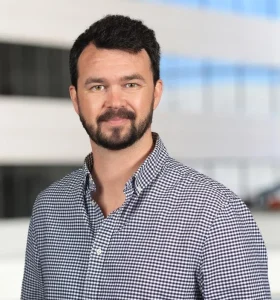
Dan Evon, lead writer for the News Literacy Project’s RumorGuard® and host of the social media video series Two Truths and AI™, has been monitoring viral rumors about the 2026 midterm elections. Here are four false claims that he says have been resurrected this election season — and tips for avoiding these frightful falsehoods.
Are dead people voting?
No, Election Day is not like the night of the living dead. Despite all the false rumors you’ve heard about dead people casting ballots.
There is no evidence of widespread votes being cast in the name of people who have passed. More often, people send in their ballots before they die, or people with the same name (one alive, the other deceased) are mistaken.
Evon says: “Purveyors of misinformation can’t provide actual evidence of widespread voter fraud in our elections because there’s no evidence that such fraud exists. Instead, they take something that might feel suspicious and present it out of context. Watch for your own biases: Are you cherry-picking which information to believe or reject, based on what you want to be true?”
Are people registering to vote when they shouldn’t?
Bad actors often make sinister claims about voter registration patterns, even when there’s a perfectly logical explanation. For example, dozens of people can be registered to vote at the same address — if that address is a shelter for people who are homeless.
Evon says: “Pay attention to who’s making these claims. Is it a credible, verified source or a Facebook account that mainly shares partisan information? When it comes to something as important and complex as our election integrity, look for sources that are independent and have expertise in voter registration and casting ballots.”
Are non-citizens casting ballots?
Tales of non-citizens voting abound. In reality, it’s exceedingly rare. The Heritage Foundation found non-citizens accounted for an equivalent of .000008 percent of ballots cast in presidential elections over a period of more than 40 years.
Evon says: “Immigration is a polarizing issue, and bad actors capitalize on this to provoke strong emotions that override our rational thinking processes. If you have a strong reaction to something, slow down and take time to think, especially before liking or sharing content on social media.”
Is vote-counting being tampered with?
All kinds of rumors try to make the vote-counting process seem spooky. Know this: ballot counting typically extends beyond Election Day, and final results are never certified on election night.
Evon says: “Beware of leaps in logic. Many of these claims lack specifics in how voter fraud is allegedly happening in the time between polls closing and the final vote being certified. Be suspicious of sheer assertions without any evidence.”