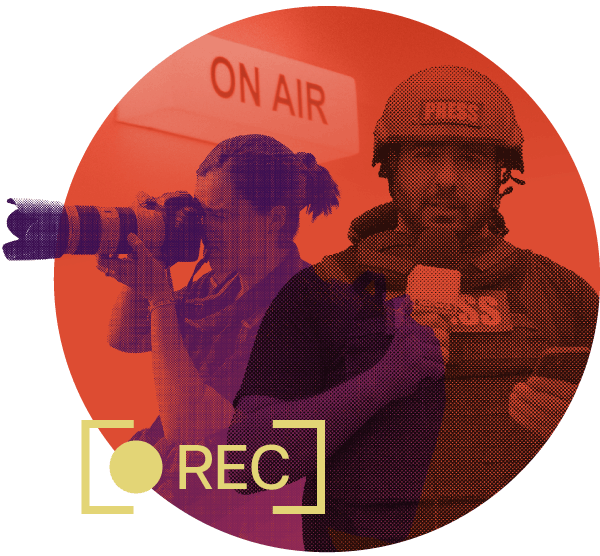
Current events have put press freedom in the news and in students’ online feeds in ways that spark controversy and cause confusion.
An FBI raid on a reporter’s home, debates over “equal time” regulations and arrests of journalists covering protests all raise important questions about First Amendment protections.
As press freedoms erode globally and misconceptions persist about how credible media organizations operate, trust in standards-based news remains low. Research by the News Literacy Project found that an overwhelming majority (84%) of U.S. teens used negative terms to describe the news media.
News literacy education helps students engage with these complex issues, reflect on their civic responsibilities and make meaningful decisions about what information and sources to trust.
START HERE
What’s an easy first step for teaching about press freedom?
Daily Do Now: Press Freedom collection
Use these classroom-ready slides from The Sift®️, NLP’s weekly newsletter for educators. These 5-10-minute bell ringers focus on press freedom.
⭐ Our Framework for Teaching News Literacy offers five primary standards to define the core competencies for becoming skilled in news literacy.
These resources relate to Standard 2: Students acknowledge the importance of the First Amendment in American democracy and a free press to an informed public. Check out the full framework.
Need even more go-to resources?
Subscribe to The Sift newsletter to receive more classroom slide collections. The Sift is sent on Mondays during the school year and covers the latest topics in news literacy. It includes additional free resources such as quizzes, infographics and lesson plans.
ℹ️ All resources are FREE for all educators and students on the News Literacy Project’s interactive Checkology®️ virtual classroom. You’ll need to register for or log in to your free Checkology educator account to access these resources.
What if I’m short on time?
You’ll need to register for or log in to your free Checkology educator account to access these resources.
Are you A-1 on 1A?
This 10-question quiz tests students’ knowledge of the First Amendment of the U.S. Constitution.
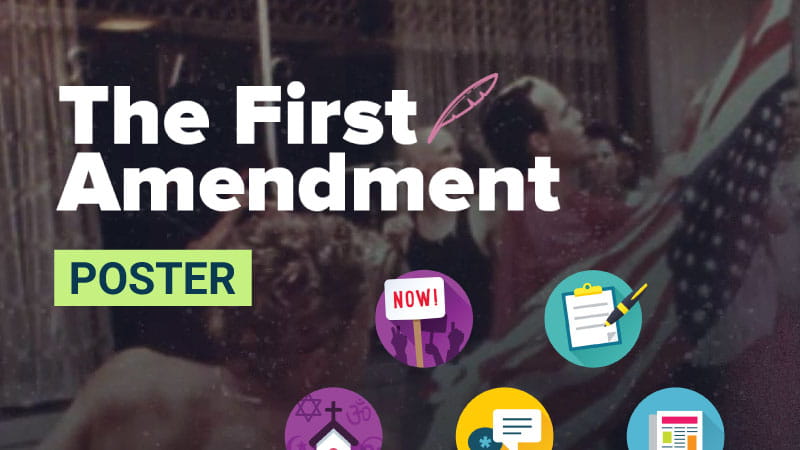
The First Amendment
This poster helps remind students of the five freedoms protected by the First Amendment.
Daily Do Now slides
Besides the “Press freedom” collection, don’t miss the “Standard 2” slides (in the “NLP Standards” collection), which focus on the importance of the First Amendment and a free press.
What if I can dedicate a full class period to news literacy?
You’ll need to register for or log in to your free Checkology educator account to access these resources.
“The First Amendment”
This lesson introduces students to the First Amendment to the U.S. Constitution and landmark Supreme Court cases.

“Know Your Rights: What Freedoms Does the First Amendment Protect?”
This activity helps students connect scenarios to specific First Amendment protections.
“Democracy’s Watchdog”
This lesson explores the role that a free press has always played in the United States, featuring investigative reporting that uncovered corruption and abuse of power. To follow-up, students can dive into case studies in these Democracy’s Watchdog activities:
“Press Freedoms Around the World”
This lesson explores the meaning and importance of press freedoms as students learn about press freedoms in 22 nations. Journalists in 10 of these countries recount their reporting experiences. (Note: This lesson includes rankings of press freedoms around the world from Reporters Without Borders in 2020.)
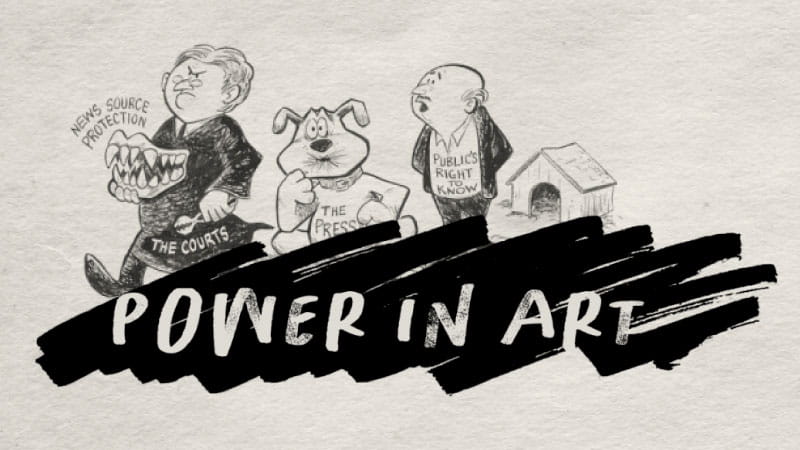
“Power in Art: The Watchdog Role of Editorial Cartoonists”
This lesson examines the history of editorial cartooning as a powerful form of opinion journalism using cartoons from the 1700s through today.

“Take Action: Putting News Literacy into Practice”
This scenario-driven lesson helps students develop a personal code of values for the information they seek, share and produce. It also asks them to consider how to balance their belief in a free press while responding to reporting they disagree with respectfully and critically.
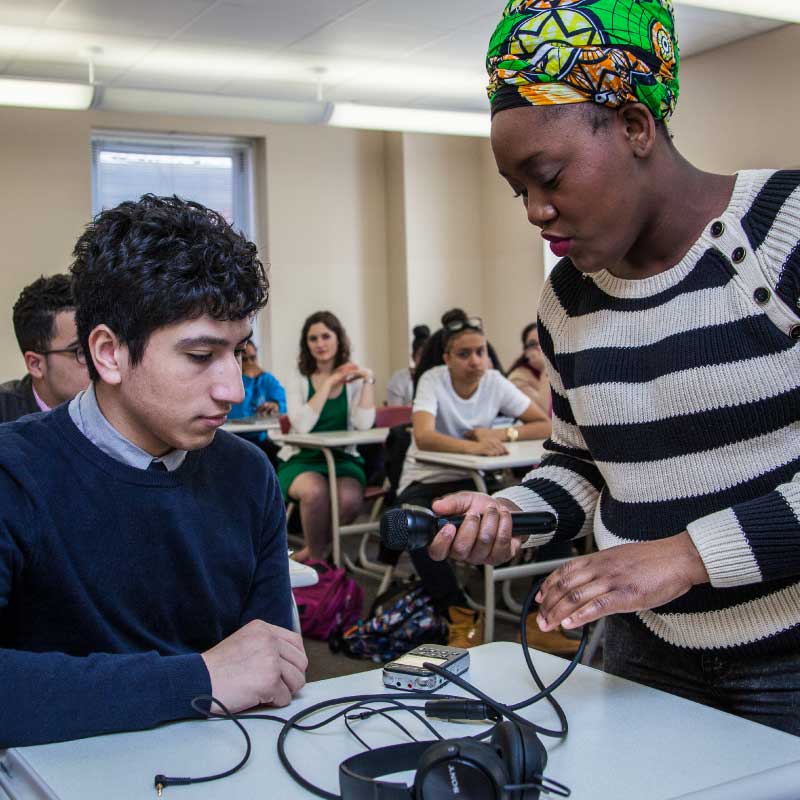
Newsroom to Classroom
Through this exclusive-to-Checkology program, you can schedule a classroom visit, either in person or online, with one of our journalist volunteers to deepen your students’ understanding of these topics. Our directory includes real-world experts on press freedom and The First Amendment.
Can I find press freedom lessons on your social media feeds?
Yes! Below are some recent examples. Follow us to catch more.


Where can I receive professional development on this topic?
Save time, deepen your own knowledge and gain confidence in helping students build news literacy skills that will serve them throughout their lifetime.
4 p.m. ET on April 28, 2026
Cultivating concern for credible information: Teaching teens about news and civic participation
Toggle for event details
What does it mean to use news and media literacy skills as a responsible participant in a democracy? In this free edWebinar led by the News Literacy Project’s Senior Director of Education Design Pamela Brunskill, attendees will learn how to help students develop a personal code of ethics to guide their participation in today’s information environment.
Trial by Media? The Free Press and the Criminal Justice System:
Toggle for event details
This edWebinar explores the work and impact of investigative reporting on criminal justice. It features our conversation with Meghann Cuniff, a legal affairs reporter known for her deep reporting on high-profile court cases (including recent ones involving Sean “Diddy” Combs and Megan Thee Stallion).
Why Press Freedom Matters: Exploring Evan Gershkovich’s Case:
Toggle for event details
This 2024 edWebinar examines the fundamental connection of press freedom to democracy. The example of Wall Street Journal reporter Evan Gershkovich, who was wrongfully detained in Russia in 2023 on bogus charges of spying, is discussed with Wall Street Journal Assistant Editor Paul Beckett.
For the media: Are NLP experts available to speak about press freedom?
Yes! News literacy includes understanding and appreciating the role of the First Amendment, especially as it relates to press freedom and the role that journalists play in informing communities and holding powerful people and institutions accountable. The News Literacy Project’s staff includes experts who can discuss these topics. Reach out to Christina Veiga, senior director of media relations, at media@newslit.org.

Donate
Donors help us reach more students with these invaluable resources. Show your commitment to press freedom and the First Amendment with a gift today.