PitchIt! NYC Student Essay Contest
New York City educators! Enter your students in our essay contest for a chance for both of you to win an Amazon gift card worth up to $100. Deadline: May 13, 2022.
New York City educators! Enter your students in our essay contest for a chance for both of you to win an Amazon gift card worth up to $100. Deadline: May 13, 2022.
Please join us on Wednesday, May 25, from 9 a.m. to 3 p.m. ET for NewsLitCamp® Great Lakes, in partnership with the Star Tribune and the Akron Beacon Journal, and sponsored by the Knight Foundation.

The News Literacy Project is pleased to announce our very first hybrid-style NewsLitCamp on Monday, June 6 at 8 a.m. ET, in partnership with the Pittsburgh Post-Gazette, and sponsored by The Grable Foundation.

This week the News Literacy Project celebrates the outstanding achievements of our educator, journalist and student of the year.
We’re excited to announce NewsLitCamp® Berks County, hosted in partnership with the Berks County Intermediate Unit’s Core Connections Conference 2022!
Calling all Detroit Public Schools educators! Please join us on Thursday, June 23 from 4:30 p.m. to 7:30 p.m. ET for NewsLitCamp® Detroit part 2.
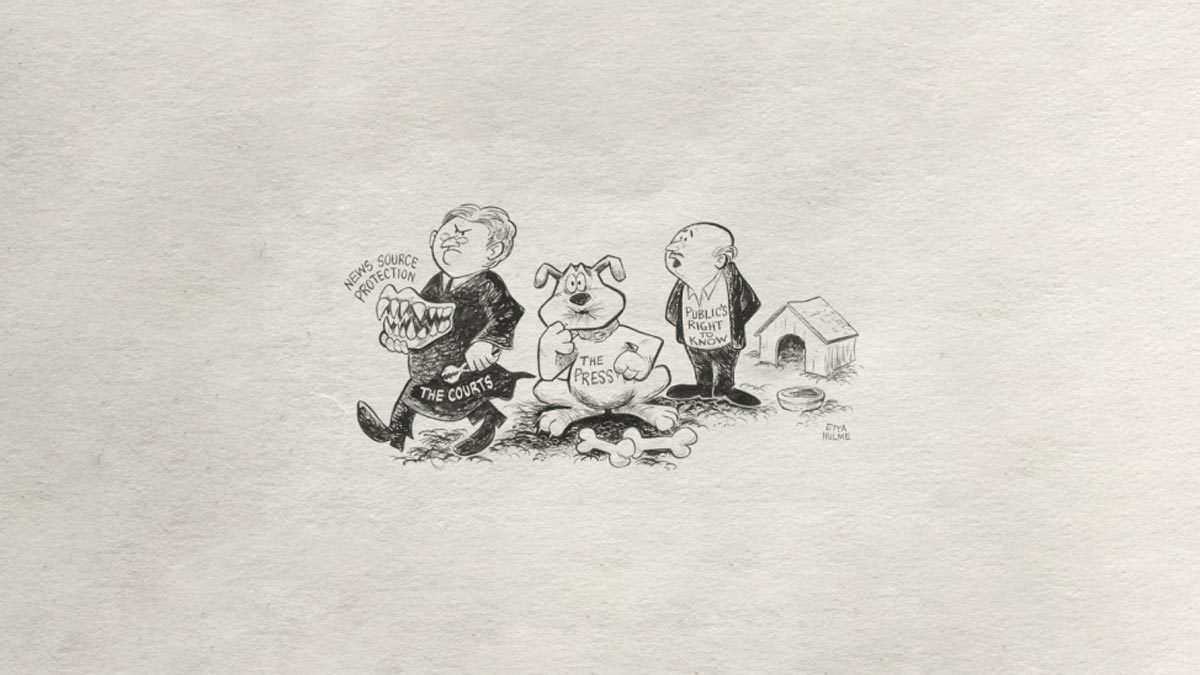
This edWeb webinar, sponsored by the News Literacy Project, features a panel conversation with editorial cartoonists Lalo Alcaraz and Signe Wilkinson, who are both included in “Power in Art: The Watchdog Role of Editorial Cartoonists,” an innovative new lesson on NLP’s virtual classroom, Checkology®.
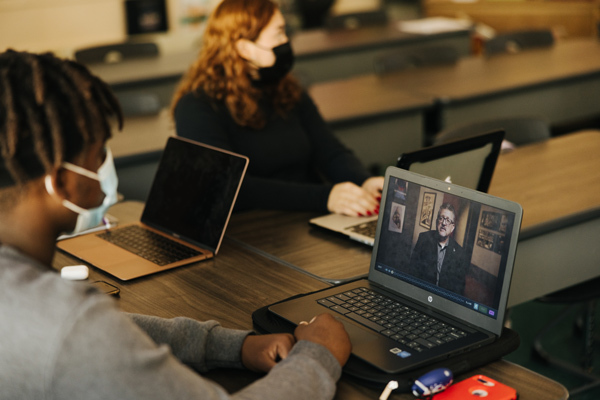
Join the News Literacy Project for an educator webinar introducing you to popular features and brand-new content on Checkology, a free, browser-based virtual classroom designed for grades 6-12.
Join us for a free educator webinar to explore a trio of brand-new STEM-aligned Checkology®️ lessons! Topics covered in the new lessons include climate change, the COVID-19 pandemic, vaccines, medical misinformation, pseudoscience and conspiratorial thinking.
As we head toward Election Day – Tuesday, Nov. 8 – many of us are hearing messages like, “Get informed before you vote.” But how can we be sure we’re