Insider Spotlight: Nicholas Casas
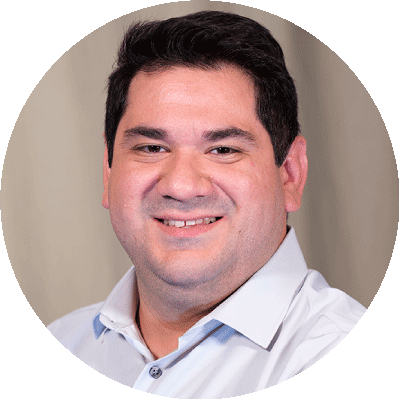
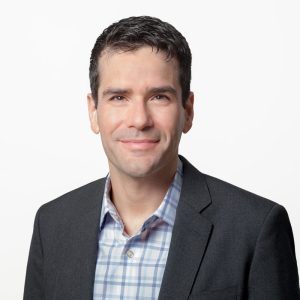
Welcome to the Insider Spotlight, where we feature real questions from our team and answers from educators who are making a difference teaching news literacy. This month, our featured educator is Nicholas Casas, a librarian at Indiana University Northwest in Gary, Indiana. Read on to learn what he has in store for National News Literacy Week and get inspired to participate with your own students or community.
Q: How are you planning to participate in National News Literacy Week?
A: I will be partnering with Indiana University Northwest’s Center for Urban and Regional Excellence (CURE), the university’s community outreach center, by giving a lecture and workshop to their Adult Education and Senior University Programs. I’ll lecture on viewing news through social media, fact-checking sources, how standards-based news works, and how AI is affecting what we see online. The workshop portion will include the SIFT Method by Mike Caulfield, reverse image searching, and how to identify “pink slime” journalism.
Q: What do you hope participants will be able to do differently after attending?
A: I am hopeful attendees would start being more mindful of what media they are consuming, whether it’s news, social media feeds, or streaming. We (me included) like to spend so much time scrolling through our phones that sometimes we don’t realize what we are looking at. I hope people become more aware of that. Maybe they can take a few minutes to read laterally on a meme, image, video or news story. If they incorporate that habit, I’ll know I did my job.
Q: How have you seen news literacy skills strengthen your community?
A: What’s interesting about news literacy workshops is that they tend to challenge people’s set ways of thinking, how they consume news, how they see the world, and what they view on their algorithms. And that’s a great thing. I also do news literacy workshops around election season (both midterm and presidential), and sometimes they can get quite heated. But I always get 1 or 2 attendees who feel relieved afterwards, because it feels like a lifesaver in a raging sea of information. Sometimes they will tell friends and family members about what they learned.
Q: What advice would you give to other librarians or educators who want to start incorporating news literacy into their lessons?
A: The SIFT Method by Mike Caulfield is a great place to start. It’s easy to plan around, and it’s much more multifaceted than other digital literacy acronyms. Also, the Sift newsletter from the News Literacy Project is a goldmine for real-world examples of misinformation, deep fakes and discussion questions. Finally, if you are starting out, I recommend avoiding political examples for teaching news literacy. Some people may tune out.
Q: How do you make news literacy engaging for audiences who might feel overwhelmed by or uninterested in the news?
A: I like to add some humor and low-stakes examples. When starting out, I don’t include politics, world affairs, or health-related news. (I only touch upon politics for my election season workshops, but I stay away from opinions and focus on where people can get their facts.) As I mentioned before, politics may either bore or scare people. So, I like using examples from celebrity news gossip, entertainment (like music or movies), sports, and weird funny images and deep fakes. The more ridiculous it is, the better.
Q: Finally, what’s your most memorable news literacy teaching moment?
A: My favorite moment is when a student or attendee teaches me a skill or a tool that I had never heard of. Sometimes students are surprisingly good at using AI for legitimate ways to strengthen their study skills. They just need to bridge that digital literacy gap.
Join us Feb. 2-6, 2026! The seventh annual National News Literacy Week, presented by the News Literacy Project, The E.W. Scripps Company, USA Today and USA Today Network, provides educators with the tools and resources they need to help students navigate today’s information landscape more skillfully.