This Los Angeles teen wants to help his peers navigate the news
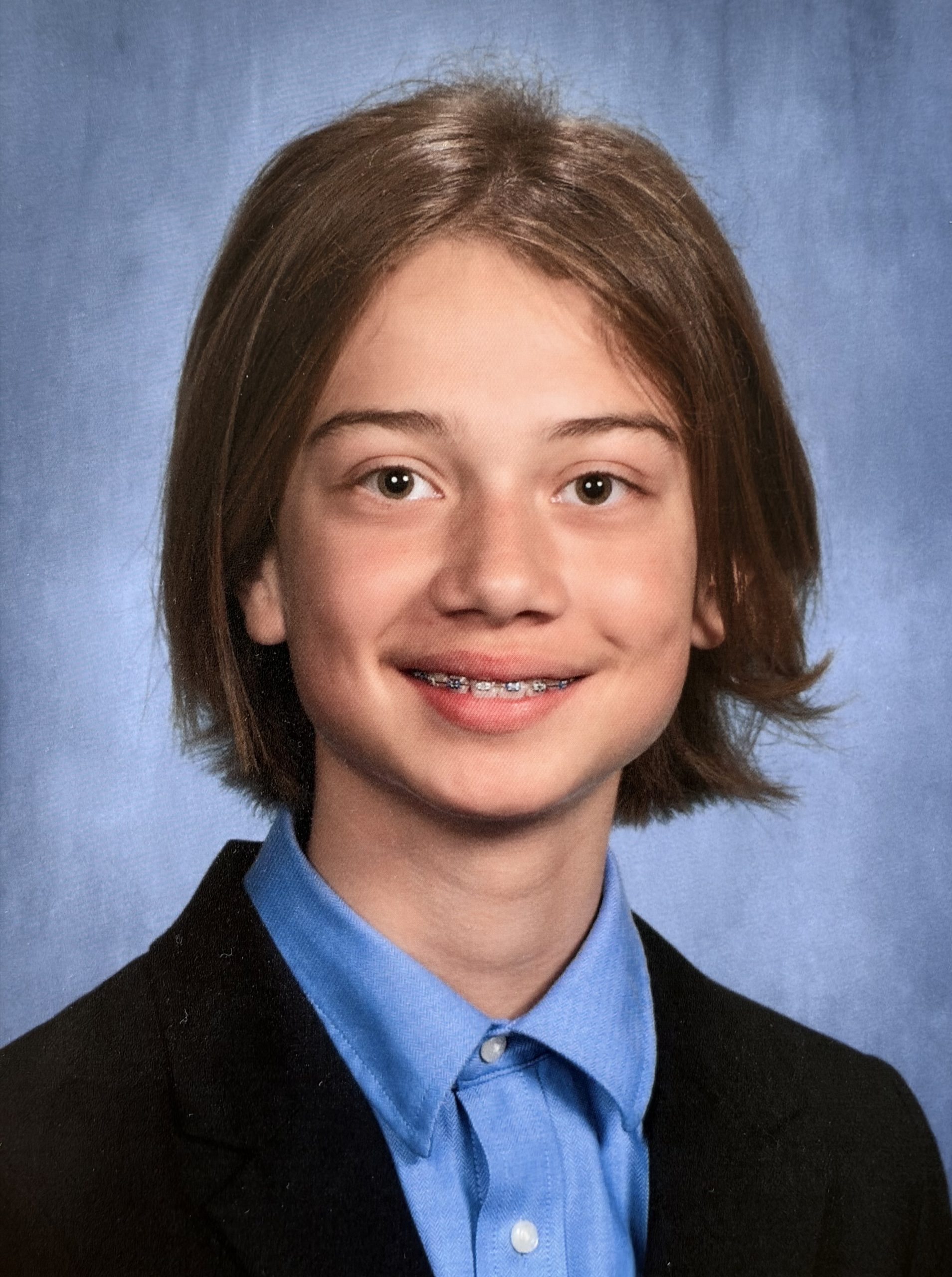
Ridley Mentzer, 14, knows first-hand that teens struggle to make sense of the news and other information today.
That’s why, when it was time to choose a topic for a service project for the eighth-grade fair at Flintridge Prep, the Los Angeles-area student decided to focus on making credible information more accessible to his peers. Ridley, who’s now headed to ninth grade, launched a podcast featuring interviews with experts. He surveys other teens to help decide which topics to cover.
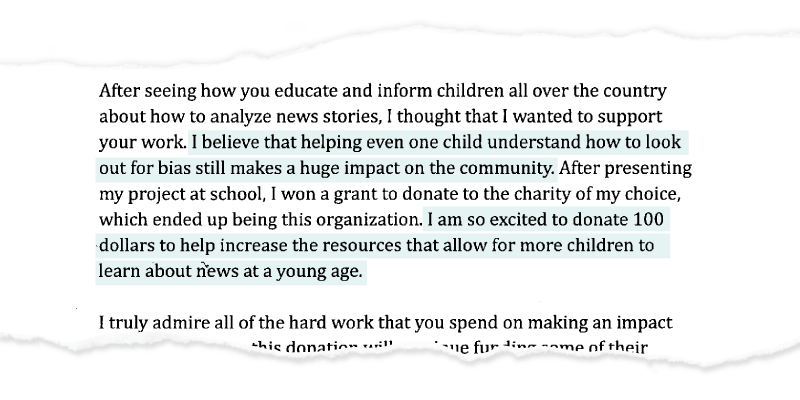
Teachers and parents who judged the competition picked Ridley’s project for the top prize — a $100 donation to the nonprofit of his choice. Ridley picked the News Literacy Project because he used our resources while researching his project.
Ridley told us he has been interested in news literacy since fourth grade, when he transferred to a school where his classmates already had learned such skills as how to verify sources. He felt left behind.
“I really didn’t know where to start. I wasn’t learning how to read the news and a lot of skills that I have to use even in school — like to research and write assignments,” he said.
We spoke with Ridley about his interest in the news and how to help teenagers navigate today’s confusing information landscape. Here are his answers, lightly edited for length and clarity.
The News Literacy Project has done research that shows most kids don’t trust the news and aren’t really seeking it out. What made you want to start following the news?
My parents would talk about news or watch it on TV. I had heard a lot about events that were happening, and I had friends affected, so I had a personal interest.
In fourth grade, it was the pandemic. Nowadays there are a lot of different things happening, like last year’s fires here in Los Angeles. News was one of the ways to get information about where fires were burning or how to stay safe, but there was also so much gossip.
I’m learning more about news and media literacy in school I’ve noticed that not a lot of my classmates have knowledge about current events or where to find information they can trust.
You host a podcast that tries to explain the world to your peers. What are they struggling with when it comes to understanding the news?
I think teens have issues with just being able to trust what they see online. Even if someone you see online says they’re a professional, you don’t exactly know until you dig deeper. A lot of teenagers want clarity about what they can trust.
What do you think would be different if every student learned news literacy skills in their school?
I think schools definitely should be teaching news and media literacy. I have friends at other schools, and when there are issues happening, they have no idea what to do. With the fires, for example, they didn’t know where to look for information. They have no trust and it’s very chaotic. If we had a world where everyone has this education, everyone would be able to understand the world they live in much more.
You can help more students like Ridley learn the news literacy skills they need to navigate the online world with confidence. Give to the News Literacy Project today.