5 reasons to support news literacy this season

In a world overflowing with misinformation, and with AI accelerating how it spreads, news literacy has never been more essential.
Every day, students — the leaders and decision-makers of tomorrow — scroll through headlines, posts and opinions that shape their views of the world. But when they learn news literacy skills, like evaluating evidence, understanding algorithms and recognizing standards-based journalism, something powerful happens: They slow down, ask questions and think for themselves.
With your help we can continue to put free, trusted resources in the hands of thousands of teachers, who reach hundreds of thousands of students nationwide — preparing them to be well-informed when making decisions that impact their lives, communities and our nation.
This season, your generosity has an even greater reach. Thanks to NLP’s philanthropic leaders Melanie and Richard Lundquist, all gifts made by Dec. 31 will be matched, multiplying the impact of your generosity for students and educators nationwide in 2026 and beyond.
As you consider where to lend your support this season, here are five reasons to make news literacy a priority:
1. Viral posts shouldn’t shape the next generation’s beliefs.
Most teens are on social media daily, swamped by content in endless feeds that are their main sources of information. In fact, our report, News Literacy in America: A survey of teen information attitudes, habits and skills (2024), showed that an overwhelming majority of teens (83%) say they get news on social media such as YouTube, TikTok or Instagram, followed by 45% who say TV.
Supporting news literacy education ensures students can identify standards-based news and information to separate facts from falsehoods in the spaces where they spend the most time.
2. Students need AI literacy to navigate an evolving information landscape.
Artificial intelligence is shaping how information is created and shared — and it’s part of students’ daily lives. NLP’s senior director of education content, Hannah Covington, notes: “In the age of AI, news literacy helps young people understand that not all information generated by AI tools is accurate and gives them the skills to fact-check.”
We’re helping educators teach students how to navigate AI with confidence by providing timely resources that keep up with how rapidly AI is changing. (Explore our Teaching About AI page, which is frequently updated!)
Your support helps us keep these resources relevant, free and accessible for teachers and students nationwide.
3. Every student should understand why our nation’s founders protected press freedoms in the Constitution.
For many teens, journalism feels distant — or even fictional. NLP’s newest survey “Biased,” “Boring” and “Bad”: Unpacking perceptions of news media and journalism among U.S. teens (2025) asked teens if any movies or TV shows come to mind when they think of journalism, and only about one-third of teens (32%) said “yes.” Their most popular cultural touchstone for journalism is the Spider-Man franchise.
Without exposure to how standards-based journalism works or why it matters, students may grow up without understanding the important role of a free press or how to tell reliable reporting from misinformation. News literacy education changes that.
And your support can help more students see journalism as something real, relevant and essential to a healthy democracy.
4. NLP’s resources like Checkology® virtual classroom work.
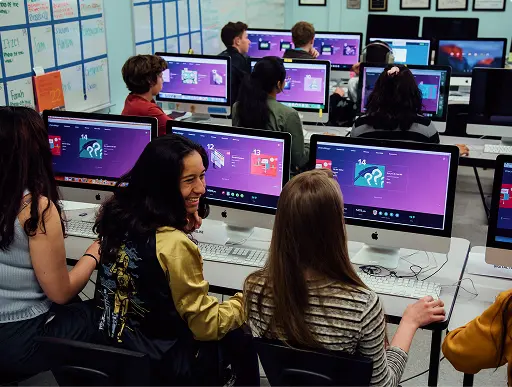
Checkology offers hundreds of free resources: interactive lessons, quizzes, infographic posters, downloadable lesson plans and classroom slides— and it’s proven to work.
In the 2024-25 school year, 88% of students recognized when a social media post failed to provide credible evidence after using Checkology — a 20-point gain from before using the platform, according to independent assessments.
Your support powers these learning breakthroughs.
5. News literacy is a fundamental skill, and it needs champions like you.
News literacy is a fundamental skill — one that helps us agree on facts, builds trust in credible information and prepares people to think for themselves. This makes it inherently nonpartisan. We teach students how to think about the news and information they consume, not what to think.
From monthly donors to first-time givers, every supporter plays a role in ensuring future generations can tell facts from fiction and protect the integrity of information for years to come.
Help us reach even more students
$20
Prepares a student to challenge misinformation.
$125
Provides an educator with news literacy training and resources.