Insider Spotlight: Anna Gray
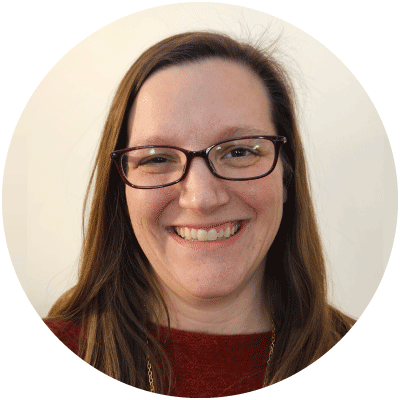
Welcome to the Insider Spotlight, where we feature real questions from our team and answers from educators who are making a difference teaching news literacy. This month, our featured educator is Anna Gray from Chesterfield, Missouri, where she teaches U.S. History, Government and Contemporary Issues to high school students.
Q: New this year, the capstone activity on Checkology guides students through the development of a personal code of ethics for the information they seek, share and produce. What skills do you teach to help students determine what’s real as they navigate a chaotic flow of information?
A: The primary skill I lean on is lateral reading. I cannot stress enough to students how important it is to leave the source they are viewing and check it against other sources. I especially encourage students to do this when they are having a heightened emotional reaction to something they are viewing. Oftentimes, social media posts are created to elicit reactions and leave out important context. Students can use lateral reading to have a clear head about what they are reading before they repost something that is not real or that needs more context.
Q: News literacy skills fit in with so many subject areas! What’s one specific way that you incorporate these skills into your required curriculum?
A: In my Government class, I collaborate with my school’s librarians to do a lesson on social media and political engagement. We talk about how many people, especially young voters, get their news from their social media feeds. Students learn about how algorithms affect what they see and how to check the credibility of sources. We also show them how RumorGuard can help them verify viral claims in politics.
Q: Ever hear a student ask, “So what?” How can students take their news literacy learning into the real world?
A: News literacy is an essential skill in the “real world.” We make decisions every day based on the information available to us. We need to use strategies like zoning information, lateral reading, determining bias and evaluating credibility to make informed decisions not only about government issues, but also about issues that affect our finances and happiness. It’s also important for building empathy and relationships with people who have different experiences from our own. With news literacy skills, we can appreciate multiple perspectives.
Q: What does it look like to apply news literacy skills as a responsible participant in a democracy?
A: Successful democracies are built on informed citizens. To make sure they are informed, I think people have to evaluate every bit of information they encounter for all types of bias, not just political, but corporate, as well. They need to seek out opposing viewpoints. It’s amazing how much more of a full picture a person can have of an issue when they look at the same issue from different viewpoints. They need to be aware of the hidden motivations behind the messages they are hearing and do their own investigating. I often encourage my students to go to the original source — read the full executive order, watch the full speech, listen to the full podcast — so they can make their own judgments with all the context available.
Q: None of us are immune from AI slop and misinformation. How do you practice news literacy in your own life to stay anchored to facts?
A: I regularly practice lateral reading. I check to see what credible news organizations that practice elements of quality journalism are reporting. If I come across something and it isn’t being reported by a known news organization, I start to question the source. I look for the sources the original post used and go to read or watch them for myself. I practice what I preach: When I feel a gut-punch reaction to something I read, I take a deep breath and look for corroborating sources and context.
Q: And finally, what is your favorite way to take a screen break?
A: I love reading and taking walks. Fall is the best time to take a walk and crunch some leaves!