Health and science misinformation is common online — and teens are encountering it in their feeds every day.
From nutrition trends and miracle “cures” to pseudoscience movements, these types of dubious viral content can have real-world consequences.
But teaching news literacy skills like evaluating claims, understanding data, spotting bias and navigating algorithms and artificial intelligence can empower young people to resist harmful rumors and make confident decisions based on facts. News literacy education is about more than academics… it’s about supporting students’ health and wellness in the age of AI, and during a time when social media use is near ubiquitous among teens.
Being health informed with Checkology
In classrooms across the country, educators are using Checkology®, NLP’s news literacy learning hub, to help students separate health facts from misinformation. Hear from teachers and teens who are bringing news literacy into science and health classes — giving students the tools to think critically, question sources and make informed choices about what they read, watch and share.

Educators, power up your teaching with Checkology
Checkology is your one-stop shop for teaching news literacy. Aligned to standards and proven to work, Checkology contains 250+ classroom-ready quizzes, posters, slide decks and interactive lessons.
It’s completely free — no credit card required.
Are you an administrator? Use the Bring Checkology to Your District guide to help educators and students get off to a glitch-free start.
Not an educator? Subscribe to Scroll Smarter, our free monthly newsletter that helps families understand and navigate today’s information landscape.
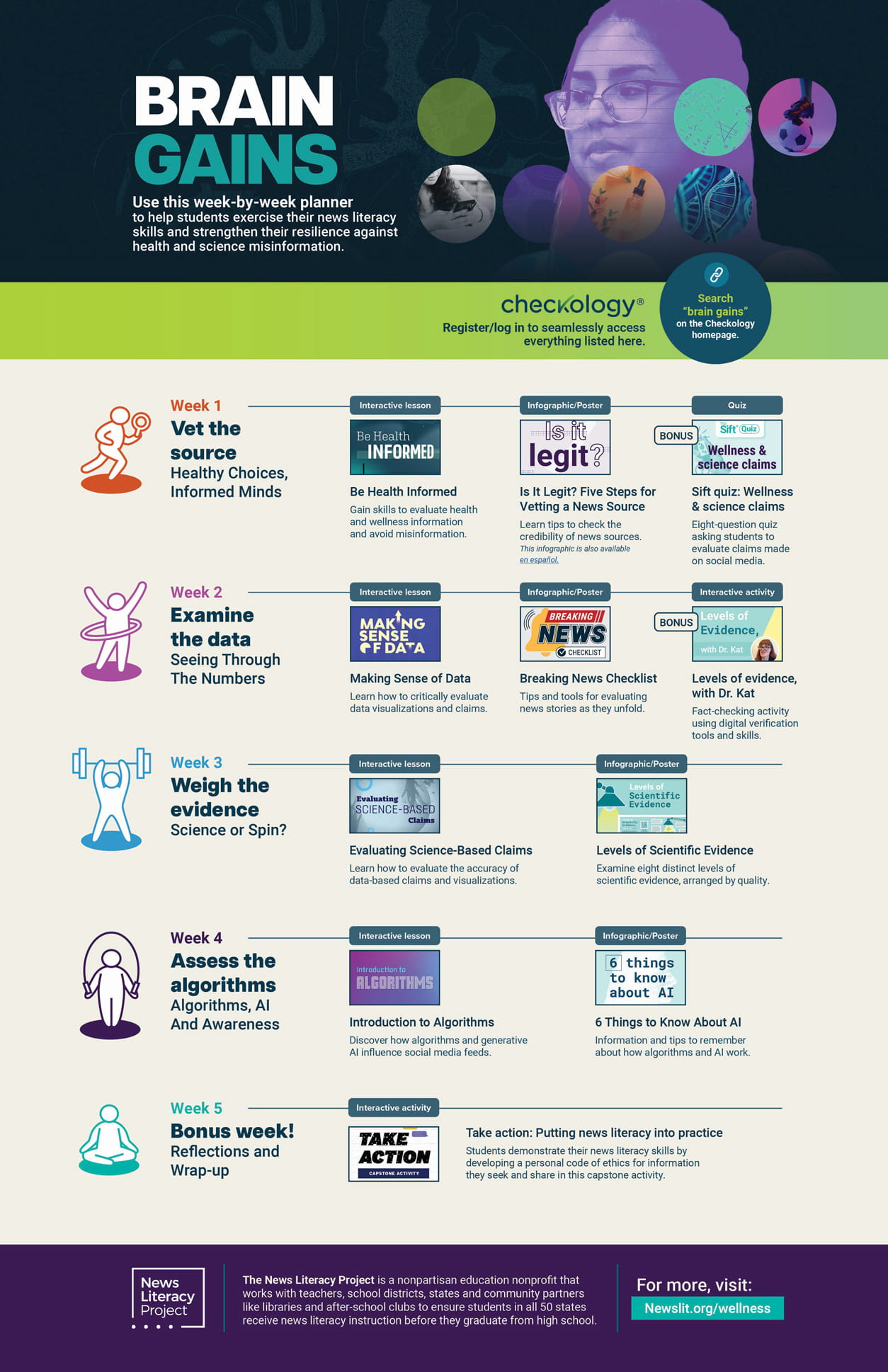
Our planner: Brain Gains
Our “Brain Gains” planner, themed around weekly “exercises” students can do to strengthen their ability to spot health and science misinformation and identify credible sources, is a downloadable tool you can save, print and share.
Each week includes one interactive lesson and one poster, infographic or other printable tool (some weeks have bonus activities, too). Choose the themes that best fit with your curriculum — or assign them all.
It’s easy to access everything shown here once you’re logged in to Checkology. Simply search for “brain gains” to see the full list of resources.
Be sure to register for and sign in to your free Checkology account before assigning these lessons and resources.
Week-by-week: Lessons and activities






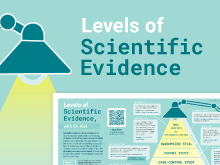


What if I only have 5 or 10 minutes?
No problem! Our Daily Do Now slides: STEM Collection is a set of ready-to-use prompts in Google Slides. Easy to use as bell ringers or short classroom discussion-starters, these slides related to STEM topics will help you maximize news literacy learning.
PD on demand
View our on-demand edWebinar to deepen your knowledge and gain confidence in helping students build news literacy skills that will serve them throughout their lifetime.
Building Resilient Students: Addressing Health and Science Misinformation Through District and Community Partnerships
Strong partnerships between districts, schools, families and medical professionals can help to prevent students from falling for misleading health content
View this edLeader panel discussion from October 2025 featuring an instructional technology coach at Beverly Hills High School and an investigative journalist and neonatal intensive care doctor, as well as NLP’s Brittney Smith and Elliott Goodman. The session focuses on the dangers health misinformation poses to students, and what school leaders can do to help students recognize and spot falsehoods.
Real classrooms. Real impact.
Learn more about the District Fellowship program, a chance to explore how news literacy skills can benefit students across subjects and disciplines, including health and science educators across the U.S.

Educators in North Salem, N.Y., use Checkology resources for the news and media literacy portion of their health curriculum. North Salem students have developed “habits of healthy skepticism when scrolling their feeds by asking: Who’s behind this information?”
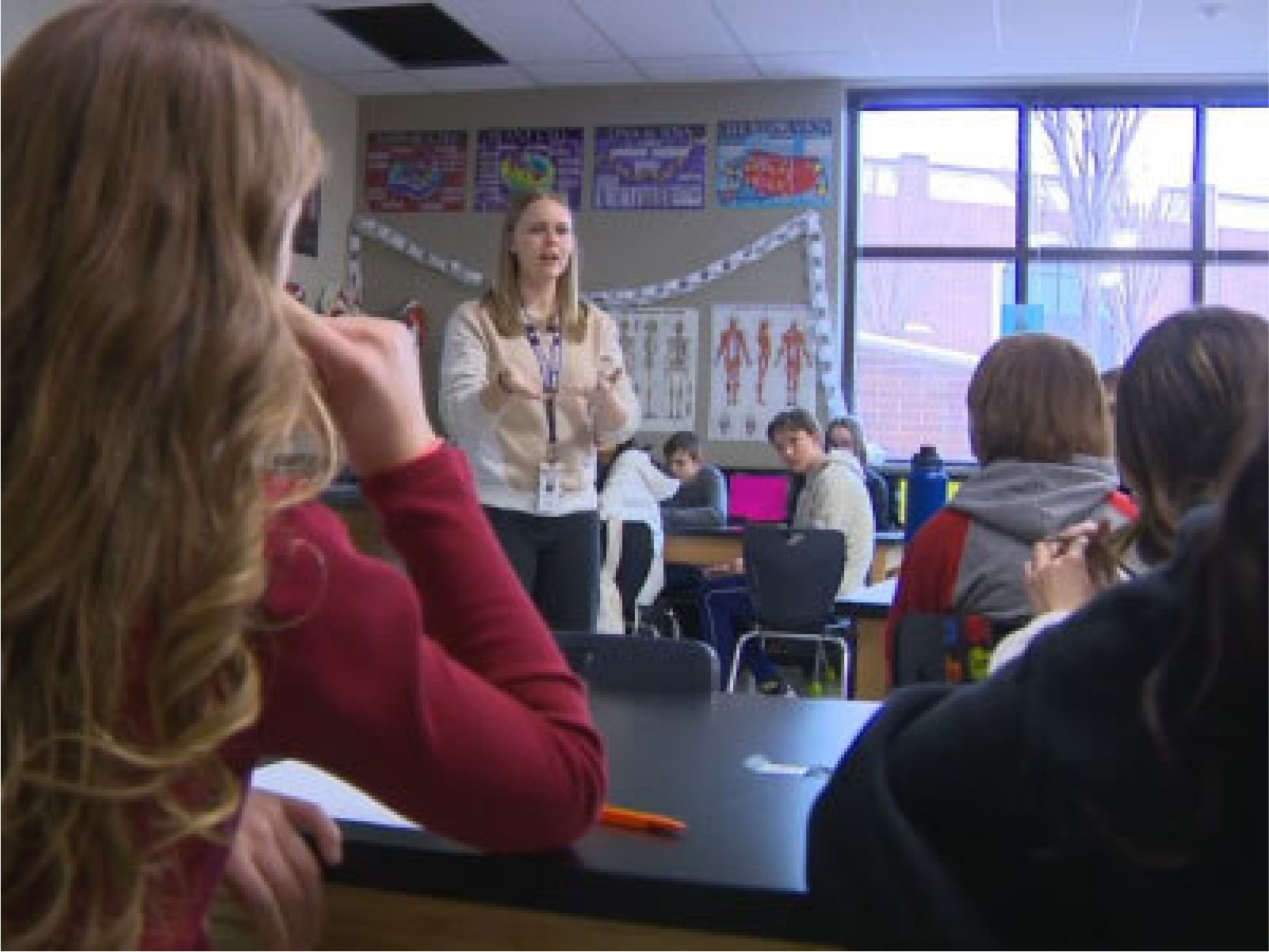
In Utah’s Canyons School District, students use critical thinking and news literacy skills to critically analyze health claims and other content they see online. “I think it’s important they differentiate between what’s credible and what isn’t,” said Lacee Kendall, a biology teacher in the district. “They can make informed decisions throughout their life.”
For families and communities
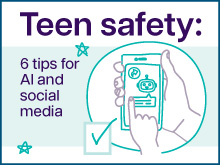
Our Teen safety: 6 tips for AI and social media infographic, created by the News Literacy Project in partnership with the American Psychological Association, is a resource for parents, families and community members. It shares six safety tips to guide teens as they use AI tools and social media platforms.
This infographic is also available en español and as a print-and-fold mini zine.
FAQs
Q1
Are these interactive lessons and classroom tools free?
Everything is 100% free and ready to use immediately with students, as soon as you’ve logged in and accessed them on Checkology, NLP’s news literacy learning hub. There’s no credit card, no trial period, no paid tier.
Q2
What grade levels are the News Literacy Project’s resources designed for?
All resources listed here and on the Brain Gains planner are best suited for students in middle and high school.
Q3
How do these resources align with health and science standards?
Checkology’s interactive lessons “Be Health Informed,” “Making Sense of Data” and “Evaluating Science-Based Claims” are aligned with the Next Generation Science Standards (NGSS).
Q4
How can I use health- and science-related news literacy resources in my classroom?
Any of the interactive Checkology lessons can be assigned to students individually or presented one-to-many. Students don’t need accounts for the additional resources, including infographics, quizzes and instructional slides listed above; you can access and/or download those directly through your Checkology educator account. One example is the Daily Do Now slides: STEM Collection.
Many educators find creative ways to teach health- and science-related news literacy skills and concepts throughout the year, whether they use Daily Do Now slides or weave news literacy skills into a yearlong curriculum. Teachers have created special projects, such as a “magic show” where students explored themes like AI literacy and chatbots through the metaphor of magic and have paired lessons like “Introduction to Algorithms” with hands-on exercises, such as experimenting with AI-generator prompts.

Donate
Our free resources are all made possible through generosity from our donors. This support helps us reach more students with essential skills to think critically and resist science and health misinformation.