Insider Spotlight: Bonnie Bastian
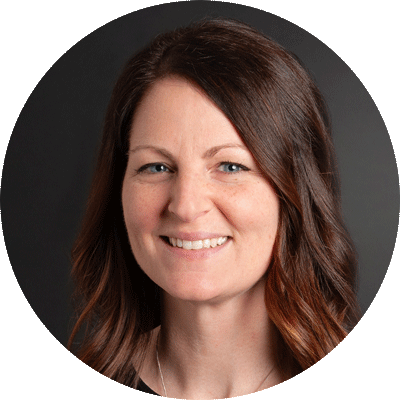
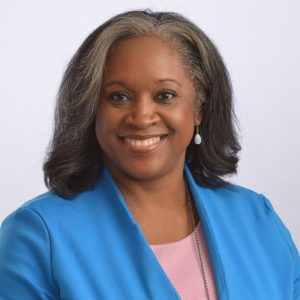
Welcome to the Insider Spotlight, where we feature real questions from our team and answers from educators who are making a difference teaching news literacy. This month, our featured educator is Bonnie Bastian, who teaches communications and digital literacy courses for deaf and hard-of-hearing college students in Rochester, New York.
Q: Do your students face any unique challenges as news consumers? How do your courses address those barriers?
A: Yes, certainly. My deaf and hard-of-hearing college students frequently encounter news that is inaccessible, poorly captioned or lacking authentic Deaf perspectives, which can limit the range of viewpoints they are able to engage with. I aim for my classes to offer a safe space to openly discuss news, misinformation, bias and representation. We also highlight deaf voices, explore accessibility tools and practice curating quality content that can contribute toward an improved online information landscape for all.
Q: How have the News Literacy Project’s teaching resources supported your work in building students’ news literacy skills?
A: My students really appreciate the engaging and insightful Checkology lessons, and I value being able to assign content that is trustworthy, accessible and genuinely fun to work through. The News Literacy Project’s enthusiasm and responsiveness in editing captions and expanding transcripts have made these resources even more accessible. Since my digital literacy course is fully online, Checkology fits seamlessly into our asynchronous learning format.
Q: What misconceptions about news media or social media do your students bring into the classroom, and how do you help them rethink those ideas?
A: Many students assume their social media feed reflects a shared reality and that others are seeing the same content, context and perspectives. The “Introduction to Algorithms” Checkology lesson helps us comprehend how much happens to us online when we act as passive consumers and reinforces the importance of monitoring our information diet.
Q: Do you have a favorite assignment or activity that has been especially impactful in helping students become more thoughtful consumers of online content?
A: I assign a video discussion board activity that introduces students to RumorGuard.org. They choose a viral post of interest, summarize it and explain in their own words which of the five factors didn’t hold up. Starting with debunked content they’ve likely encountered in their own feeds gives them a low-stakes way to practice credibility analysis before applying those skills independently later on.
Want to explore RumorGuard for yourself?
RumorGuard breaks down fact-checked viral rumors and offers concrete tips to help you confidently evaluate claims you see online.
Check out the RumorGuard Guide for classroom-ready teaching slides that use real trending examples of misinformation to guide students through the fact-checking process.
Q: We’re nearing the end of the school year, but our information landscape is ever changing. How do you encourage students to continue developing their news literacy skills after leaving your classroom?
A: One simple step I encourage is curating social media feeds with purpose. I dream of becoming a semi-skilled latte artist someday, so I deliberately invite latte art videos into my feed to turn scrolling into an experience that supports my learning. With that same intention, students can follow news literacy accounts (NLP is always first on my suggestion list!) to turn everyday scrolling into ongoing skill-building.
Q: Finish this sentence: “The internet would be a better place if everyone…”
A: …would simply pause. When we give ourselves time to digest what we are seeing, recognize how it makes us feel and remain open to differing perspectives, we can respond more thoughtfully and embrace the internet as a powerful space for continued learning and growth.