Grow your skills with our training
Teaching news literacy: Where do I start?
60-90 minutes
*Can be adapted specifically for elementary grades and libraries
Today, discussing current issues and events in the classroom can quickly become entangled in partisan divides over what is and isn’t true. Viral rumors and claims students encounter on social media surface in discussion, along with cynical dismissals of fact-checking and mainstream news organizations. Cut through polarization by teaching students core news literacy concepts, content and skills.
This session provides an overview of news literacy in alignment with NLP’s five standards and Framework for Teaching News Literacy. We’ll discuss the importance of news literacy and why it’s so vital for today’s students; explore key concepts, skills and dispositions that students need in order to effectively and responsibly navigate the information environment; and consider resources to readily integrate into classrooms.
Key objectives
- Define news literacy and develop an understanding of the field’s core competencies, including:
- Distinguish between different types of information according to primary purpose.
- Analyze signs of credibility in both individual news reports and sources of news.
- Evaluate viral rumors and online claims using verification skills.
- Discuss how to help students reflect on and cultivate healthy media habits.

Teaching news literacy within and across grade bands: A framework for curriculum mapping
60-90 minutes
We’ll use NLP’s Framework for Teaching News Literacy and its grade band expectations to provide an overview of core concepts and skills, for individual classroom and districtwide use. In this session you’ll review core competencies to identify essential questions, knowledge and skills for unit planning; you’ll also review a scaffolded approach to developing a news literacy curriculum for K-12 using NLP’s news literacy standards.
Key objectives
- Examine NLP’s Framework for Teaching News Literacy and the Grade band expectations for news literacy to map concepts into preexisting or new curricula.
- Identify elements from the framework that you can use in your educational setting.
- Assess how NLP’s grade band expectations align with other educational standards.

Characteristics of credibility
60-90 minutes
In the most robust and complicated information environment in history, it can be difficult to know what to trust. Help students evaluate news and other information based on characteristics of credibility: values, standards and guidelines used in journalism and other fields, such as medical research and science.
In this session, you’ll take a deep dive into journalism standards and ethics. These include aspects of verification — such as the core practice of gathering and comparing information from multiple credible sources to strive for accuracy — and ideals such as independence, transparency, fairness and accountability. We’ll address how policies and practices in standards-based newsrooms are designed to avoid bias, including by committing to the pursuit of ideals like accuracy and fairness. Finally, we’ll demonstrate how students can apply an understanding of these standards to judge the credibility of news and other information.
Key objectives
- Describe characteristics that make high-quality journalism and other standards-based information credible, and analyze how to recognize them.
- Consider how red flags that violate standards of quality journalism appear in questionable sources.
- Review resources and opportunities to incorporate learning experiences about these characteristics into existing lessons and curricula.
Thinking clearly about bias: Unpacking our perceptions of news coverage
60-90 minutes
People frequently perceive and allege bias in news coverage, but what does this really mean? What constitutes bias in a news report, and who decides if it’s present? What role do our own biases play in our perceptions of bias? In this session we’ll help you teach this vital, controversial and complex topic in ways that empower students to meaningfully evaluate the fairness and impartiality of news coverage.
Key objectives
- Explore common perceptions of bias in news.
- Establish the stakes of thinking and teaching about news media bias with nuance and precision.
- Analyze real-world examples of coverage for fairness and accuracy.
- Consider strategies and resources for effective teaching about bias in news.

Algorithms and generative AI: Pitfalls and possibilities for students
60-90 minutes
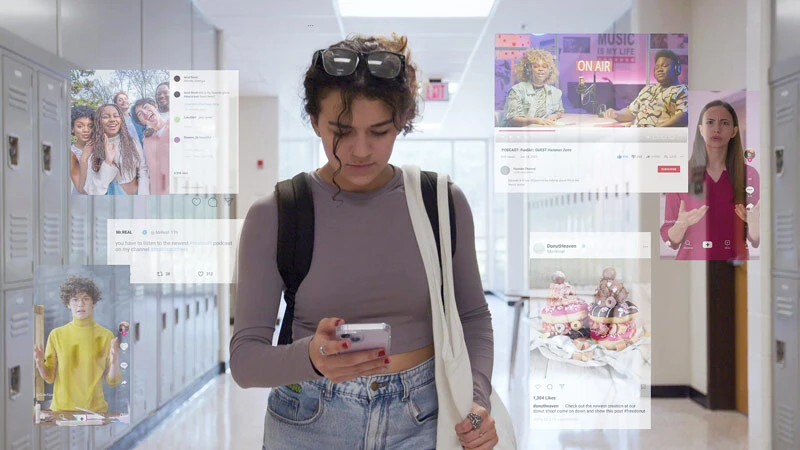
Your students spend a lot of time on social media, but do they know why certain content appears on their feeds? Algorithms are powerful but often invisible forces shaping our online experiences — but whose interests are they designed to promote?
This presentation will help you dive into the world of algorithms and generative artificial intelligence so you can teach students to consider the civic and social impact of these technologies.
You’ll preview our “Introduction to Algorithms” lesson in Checkology® to gain an understanding of how search and social media algorithms work; explore the opportunities and pitfalls of large language model chatbots, such as ChatGPT; and learn about the evolution of AI image generators. We’ll also take a look at where these technologies are heading, including the rapid development of AI video, and discuss their implications for civic discourse, student research and pedagogical practice.
Key objectives
- Review how algorithms shape the information we see and find online.
- Explore the impact of social media companies’ use of data and algorithms to personalize information and online experiences to sell targeted ads in today’s “attention economy.”
- Understand key concepts in generative AI, including large language models, chatbots and image generators.
- Detect AI-generated content and verify authentic content with various resources and examples that you can use directly with students.

Exploring viral misinformation
60-90 minutes
Teach students to develop their misinformation “spidey senses” to spot viral falsehoods on social media — and to use verification skills to debunk them for themselves and others. This session also explores the power of “prebunking” misinformation: helping students build up “immunity” to false and misleading claims by teaching them to recognize common traits of false and misleading information, and the tactics used to make them seem true. We will explore five primary types of viral misinformation along with five factors students can use to evaluate posts they’re skeptical about. We will also practice key verification skills — like reverse image searching — and close by reflecting on how these concepts and skills can be applied in the classroom to foster careful, critical thinking and a sense of responsibility among students for what they post and amplify online.
Key objectives
- Define misinformation and discuss the personal and civic impact of viral falsehoods.
- Explore the role that our personal beliefs, identities and biases play in our susceptibility to viral misinformation.
- Discover how to use “prebunking” strategies as a road map for teaching students how to identify and resist viral misinformation, using NLP’s free resources.
- Apply key verification skills to real-world examples of misinformation.

Putting news literacy into action: Building students’ civic capacity
60-90 minutes
What does it mean to use news media literacy skills as responsible participants in a democracy?
When students encounter new information, they’re faced with choices about how to evaluate claims and engage with other people in response. Instead of leaving students feeling cynical or overwhelmed by information overload, educators can help them build competencies. In this session, participants will learn how to help students of all ages develop a personal code of ethics to guide their participation in today’s rich, complex and fraught information environment.
Key objectives
- Explore the role and importance of a free and independent press.
- Review teen attitudes toward standards-based news and other information.
- Discuss strategies to support students in making thoughtful, responsible decisions about the information they engage with and share.
Cost
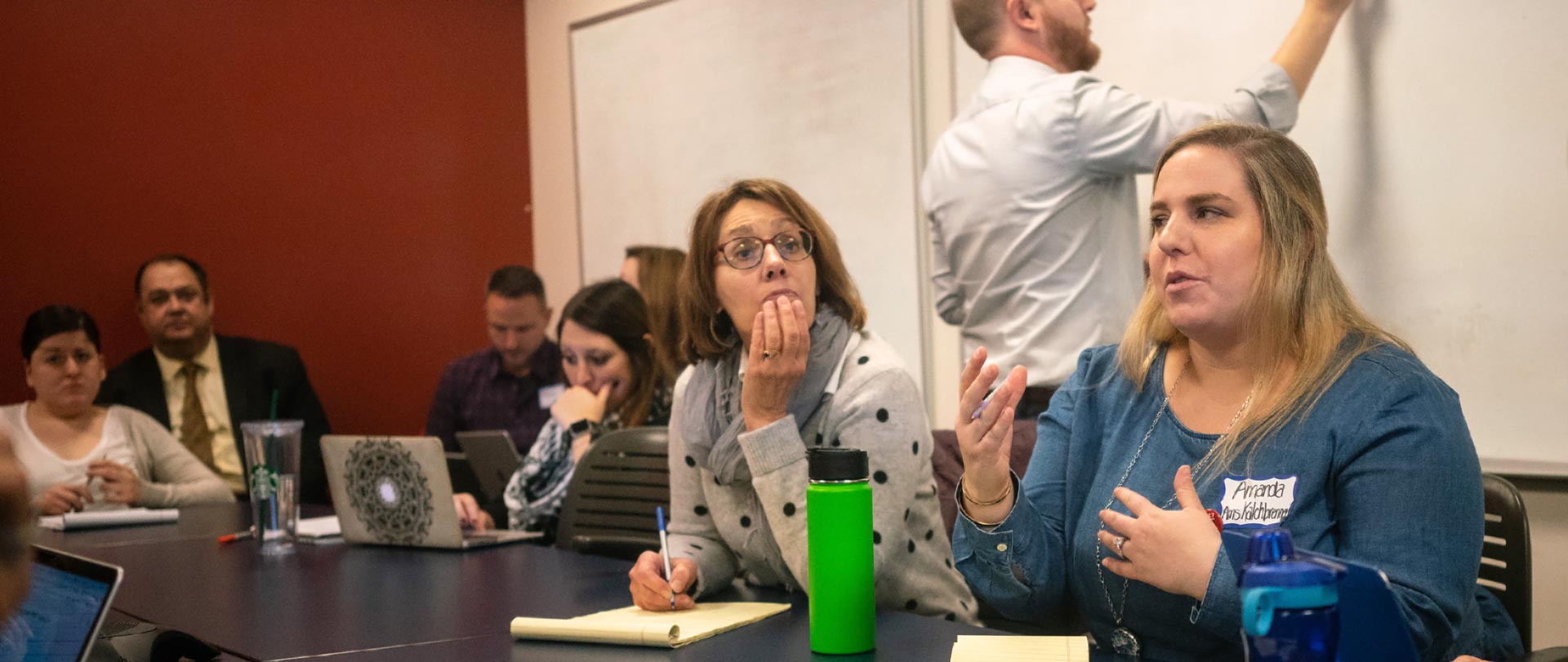
Groups wishing to plan a half-day workshop can choose two sessions from the topics listed above. Groups wishing to plan a full-day session can incorporate up to four sessions. Prices quoted below are for live, in-person sessions.
Full day: $5,000
Up to seven hours of customization of the sessions listed above — resources and classroom-ready materials tailored to specific content areas, relevant and timely media examples, a break for lunch and time for educators to work on content relevant to their positions with an NLP expert.
Half-day: $3,500
Up to three hours of customization of the topics listed above and time for educators to work on content relevant to their positions with an NLP expert.
We also offer virtual trainings on our standard offerings: For one hour, the cost is $500. For a half-day (up to three hours), the cost is $1,250. For a full day (up to seven hours), the cost is $1,750. Contact learning@newslit.org for more information.
Additionally, NLP regularly hosts free trainings on edWeb, with our News Literacy Community. Please join us when you can!